The Onna-Bugeisha: Unveiling Japan's Female Samurai Legacy
Guide to Japanese female samurai (onna-bugeisha): overview, training, famous warriors, weapons, historical context, common myths, and key takeaways.
Overview
When we think of samurai, the image of a male warrior in armor wielding a katana comes to mind. But history reveals a lesser-known truth: women also served as warriors in feudal Japan, known as onna-bugeisha (woman martial artist) or onna-musha (woman warrior). These women were trained in martial arts, battlefield tactics, and wielded weapons like the naginata (a polearm) and kaiken (a short dagger). This guide explores who they were, their training, famous examples, and how to understand their role without falling into modern myths.
Prerequisites
No prior knowledge of Japanese history is required, but familiarity with basic samurai culture helps. You should have an open mind ready to challenge stereotypes. For deeper study, consider reading primary sources like The Tale of the Heike or scholarly works by historians such as Stephen Turnbull.
Step-by-Step: Understanding Female Samurai
1. Define the Samurai Class
Samurai were a social class in feudal Japan (roughly 12th to 19th centuries) bound by a code of honor called bushidō. While men were the primary warriors, women of samurai households were expected to defend their homes. They were not a separate 'female samurai' rank but part of the same class.
2. Learn About the Onna-Bugeisha
The term onna-bugeisha refers to women who trained in martial arts and sometimes fought in battles. Their training often began in childhood, focusing on the naginata for its reach and versatility against swordsmen. They also learned the tantō (short sword) and kaiken for close combat or self-defense. See Common Mistakes about their training.
3. Explore Famous Examples
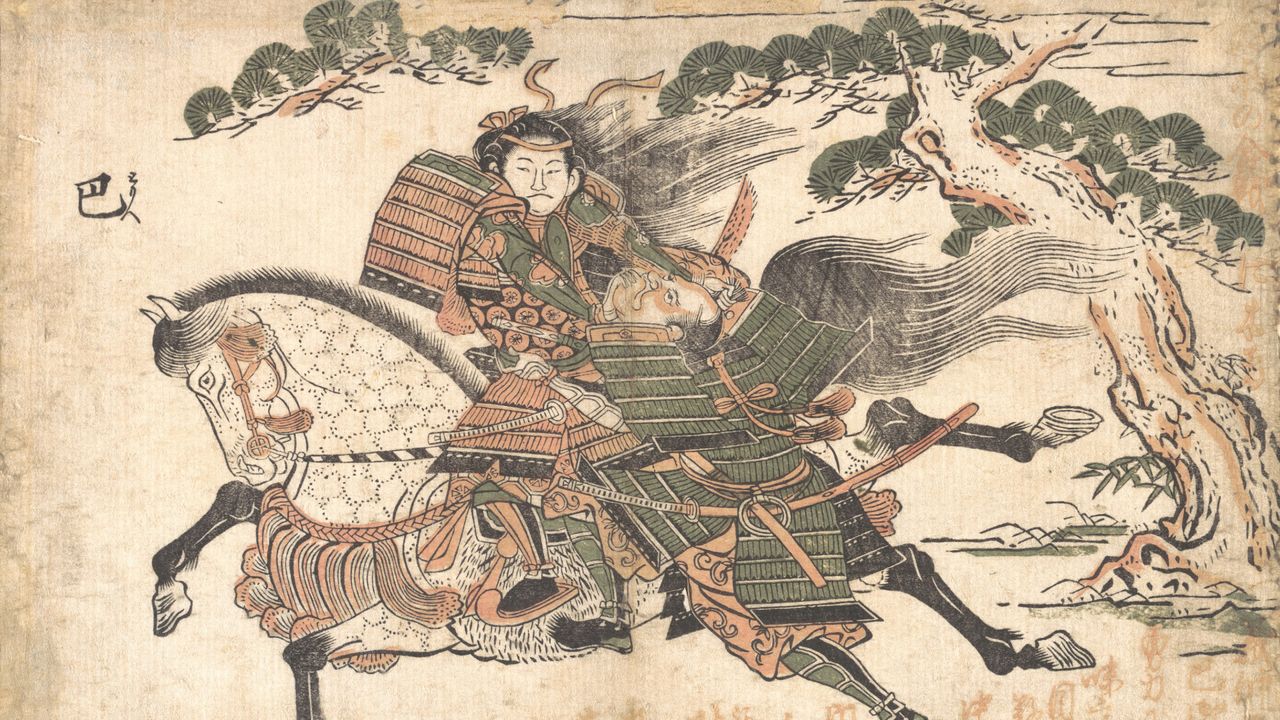
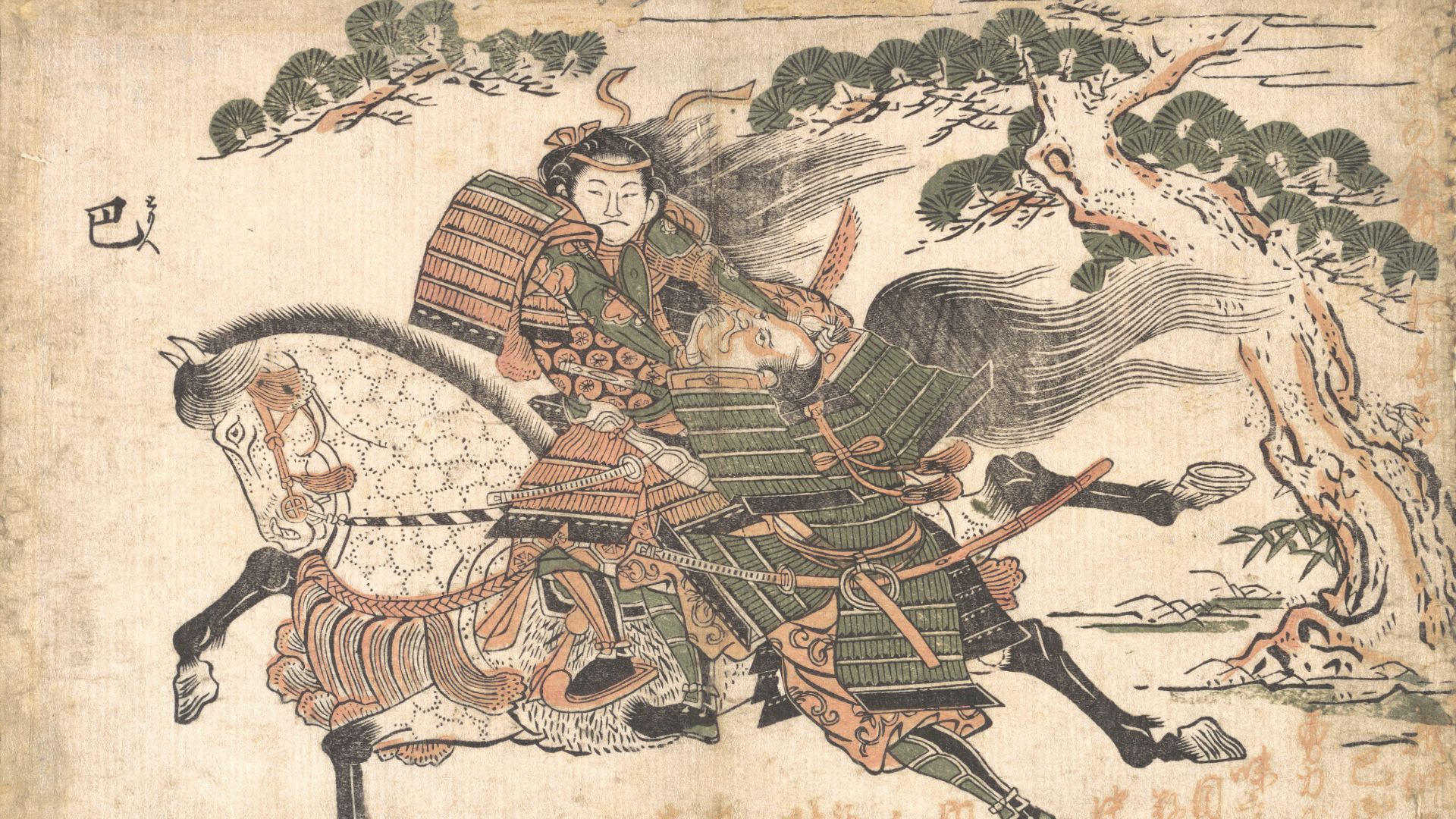
- Tomoe Gozen (c. 1157–1247): A legendary warrior from the Genpei War. She was described as a skilled archer and swordswoman, known for beheading enemies. She is one of the few female samurai documented in The Tale of the Heike.
- Hangaku Gozen (c. 1180s–1210s): A female commander who defended a fortress during the Kennin Rebellion. She was captured but later pardoned.
- Nakano Takeko (1847–1868): A late-period samurai who led the Jōshitai (Women's Army) during the Boshin War. She died in battle, but her story inspired later generations.
- Yamakawa Futaba (1844–1909): Though not a fighter, she was a scholar and educator who influenced samurai women's roles.
4. Understand Their Weapons and Armor
Women typically used the naginata for its ability to keep enemies at distance. For armor, they wore do-maru (a light chest armor) or modified male armor. They rarely wore full suits; mobility was key. The kaiken was carried in the obi (sash) for emergencies—sometimes used for ritual suicide (jigai) to preserve honor.
5. Examine Historical Context
Most female samurai fought in defensive roles, guarding castles or leading troops when male lords were absent. The Sengoku period (1467–1615) saw more female involvement due to constant warfare. Later, during the Edo period (1603–1868), peace reduced fighting but training continued. The Meiji Restoration (1868) abolished the samurai class, ending official female warrior roles.
6. Analyze Primary and Secondary Sources
Read The Tale of the Heike (12th century) for early accounts. Later, ukiyo-e prints depict women with naginata. Modern historians like Dr. M. G. Sheftall (Women in the Samurai World) provide analysis. Note that many stories are semi-legendary; verify with archaeological evidence (e.g., women found buried with weapons).
7. Compare with Other Cultures
Female warriors existed globally—Viking shieldmaidens, Celtic warriors, Chinese Mulan. Japanese onna-bugeisha share similarities but had unique restrictions due to Confucian social norms. They were not formal military units like the Amazons but were respected within their households.
Common Mistakes
- Myth: Female samurai were as common as male samurai. Reality: They were a minority; most women were not warriors. The term 'female samurai' is a modern simplification.
- Myth: They used katanas. Reality: The naginata was primary; katana was too heavy and long for many women.
- Myth: They had equal status. Reality: While respected, they were still subordinate to male relatives. Their warrior role was often an exception.
- Myth: All samurai women trained. Reality: Training varied by region and family. Some had no martial skills.
- Myth: They existed continuously. Reality: Active combat roles peaked in the Sengoku period; later periods saw them only in peacetime training.
Summary
Female samurai, or onna-bugeisha, were real but not as common as pop culture suggests. They were trained warriors from the samurai class, skilled in the naginata and other weapons, who defended homes and sometimes led troops. Famous examples like Tomoe Gozen and Nakano Takeko help illuminate their legacy. Understanding them requires separating myth from history—they were extraordinary within their societal context.