Astronaut Chris Williams Captures Stunning Fireball from ISS: Q&A
NASA astronaut Chris Williams photographed a dramatic fireball from the ISS. Explore Q&A on the event, fireball science, and space photography.
NASA astronaut Chris Williams recently witnessed and photographed a brilliant fireball from the unique vantage point of the International Space Station (ISS). This Q&A breaks down the details of the event, the science behind fireballs, and how astronauts capture such mesmerizing moments from orbit.
- What exactly did Chris Williams see and photograph from the ISS?
- How did Chris Williams manage to photograph the fireball from the ISS?
- What is a fireball, and how does it differ from a regular meteor?
- Why is the ISS an ideal platform for observing fireballs and other atmospheric phenomena?
- What unique challenges do astronauts face when photographing fireballs from space?
- Do fireballs captured from orbit have any scientific significance?
- How does viewing a fireball from the ISS compare to seeing one from the ground?
What exactly did Chris Williams see and photograph from the ISS?
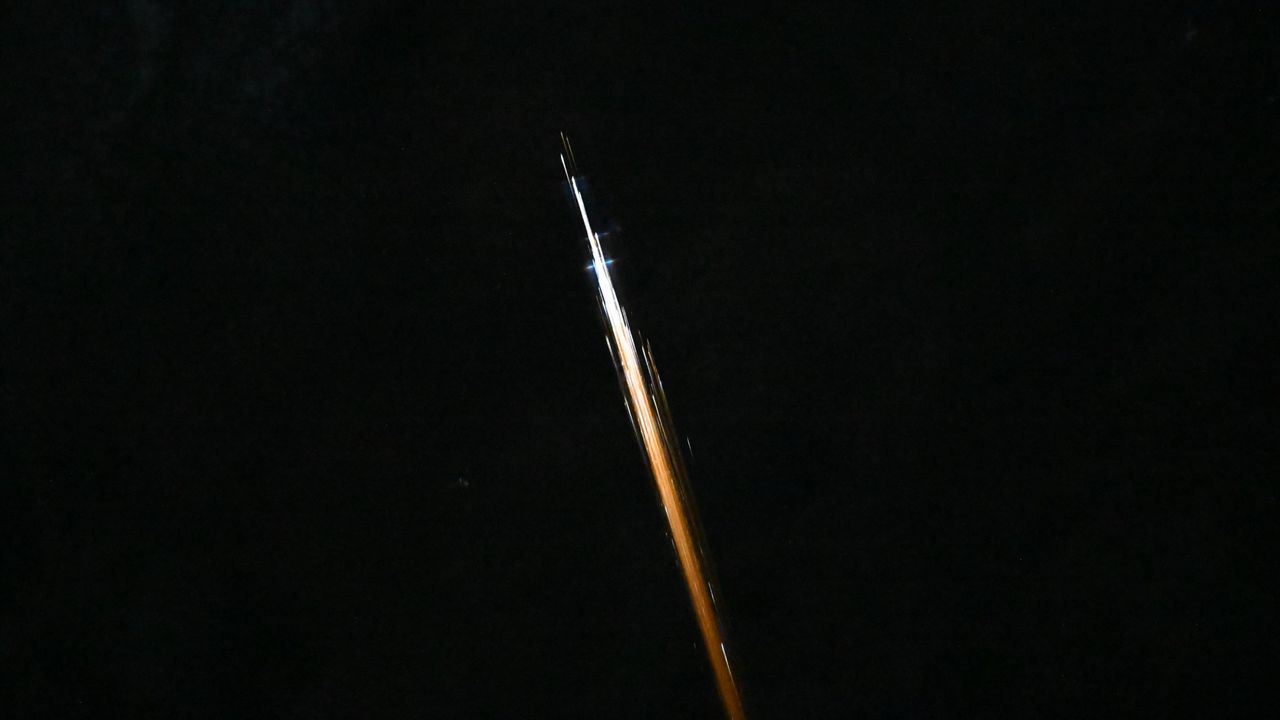
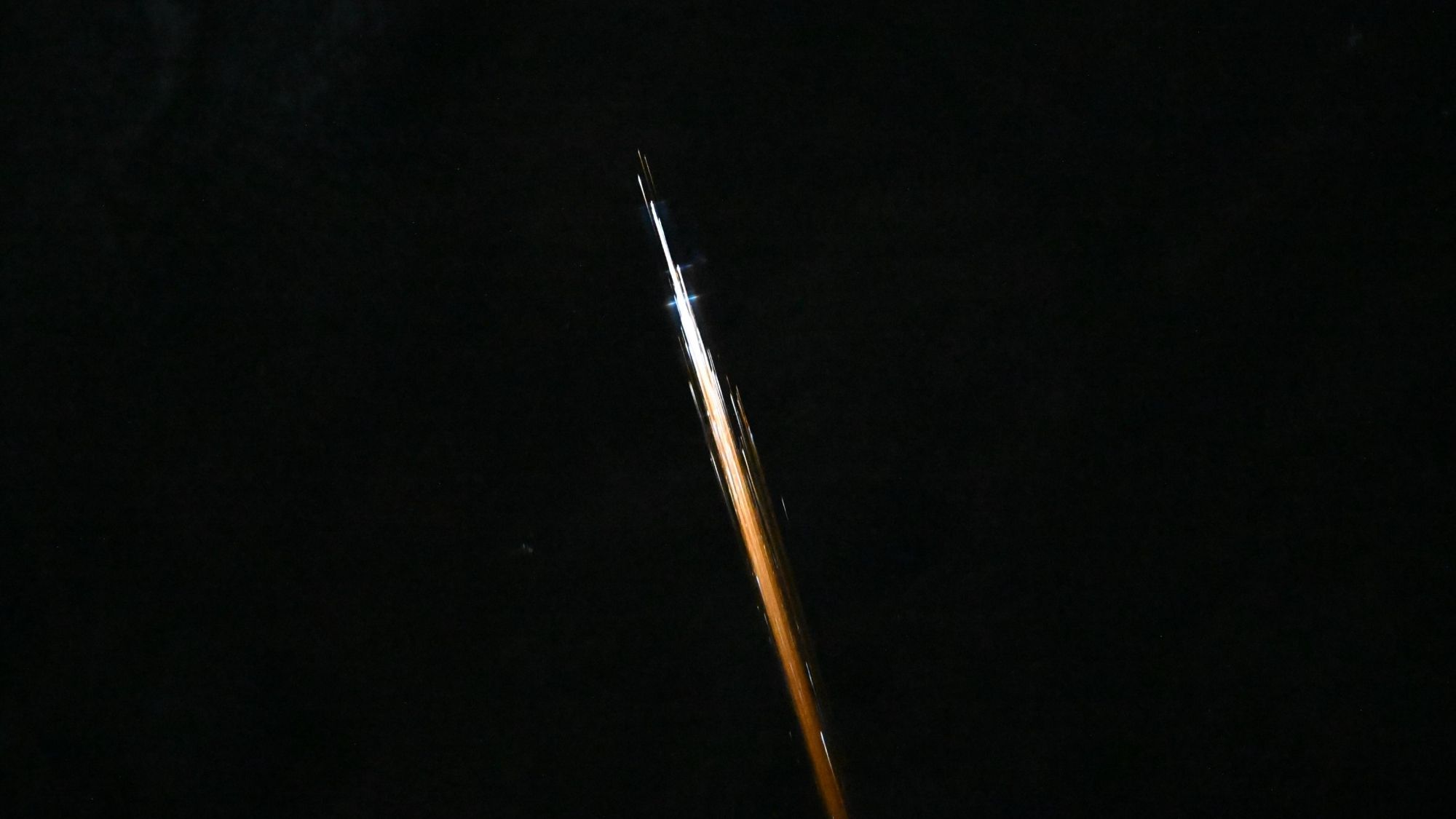
During his time aboard the International Space Station, NASA astronaut Chris Williams observed a dramatic fireball streaking through Earth's upper atmosphere. He described the experience as "quite a light show!" and managed to capture the event in a series of photographs. The fireball, which appears as a bright, fast-moving streak of light, was likely a meteoroid burning up upon entry into the atmosphere. Williams' images show the fireball against the blackness of space, with the glowing trail contrasting sharply against the distant limb of Earth. These photos provide a rare perspective—from above rather than from the ground—and highlight the active, dynamic nature of Earth's atmospheric interactions with space debris.
How did Chris Williams manage to photograph the fireball from the ISS?
Astronauts like Williams are trained to use specialized camera equipment aboard the ISS. For capturing fast-moving events such as fireballs, they often employ high-speed or time-lapse photography using cameras with manual controls. Williams likely set a fast shutter speed and a wide aperture to catch the brief, brilliant flash of the fireball. The ISS travels at approximately 28,000 kilometers per hour (17,500 mph), so the relative motion of the spacecraft and the fireball adds a challenge. By aiming through the station's Cupola observatory module, which offers large, high-quality windows, astronauts can track and photograph fleeting phenomena. Williams’ successful capture required quick reflexes and familiarity with his camera gear, as fireballs last only a few seconds.
What is a fireball, and how does it differ from a regular meteor?
A fireball is an exceptionally bright meteor, defined as one with a magnitude brighter than –4 (about the brightness of Venus). While a typical meteor may be faint and brief, a fireball can light up the sky for several seconds and sometimes produce a visible, lingering smoke trail. Fireballs are caused by larger meteoroids, often ranging from centimeters to meters in diameter, that enter Earth's atmosphere at high speeds (typically 11 to 72 kilometers per second). The intense friction with air molecules heats the object to temperatures of thousands of degrees, creating the brilliant glow. Unlike ordinary meteors, fireballs may fragment or explode (called “bolides”), and fragments sometimes reach the ground as meteorites. Williams’ observation from space underscores the dramatic nature of these events, which can be seen from hundreds of kilometers away.
Why is the ISS an ideal platform for observing fireballs and other atmospheric phenomena?
The International Space Station orbits Earth at an altitude of about 400 kilometers (250 miles), providing an unparalleled view of the atmosphere’s edge. From this vantage point, astronauts can observe meteors and fireballs from above, seeing them as bright streaks passing through the thin upper atmosphere against the backdrop of space. This perspective eliminates many atmospheric distortions and ground-based light pollution. Additionally, the ISS orbits at high speed, so astronauts can witness multiple meteor events in a single orbit. The station’s large windows and stable microgravity environment also facilitate long-duration photographic exposures. Because fireballs often occur high in the atmosphere (80–120 km), they are particularly visible from orbit. Astronaut observations like Williams’ complement ground-based camera networks by providing a simultaneous, different viewpoint that helps triangulate meteoroid trajectories and parent orbits.
What unique challenges do astronauts face when photographing fireballs from space?
Photographing fireballs from the ISS involves several obstacles. First, the speed of the ISS means that a fireball can appear and vanish in seconds; astronauts must be ready to aim and shoot quickly. Second, the station’s windows are small and often have reflections or scratches that can degrade image quality. Third, astronauts work in microgravity, which makes handling cameras while floating challenging—they often use body tethers or Velcro to stabilize equipment. Fourth, the bright interior lights of the ISS can cause glare, so astronauts frequently turn off cabin lights when photographing through windows. Additionally, the fireball’s brightness can wash out details if exposure settings are incorrect. Despite these difficulties, astronauts like Williams receive training to anticipate timing and adjust camera settings rapidly, allowing them to capture remarkable images that scientists and the public treasure.
Do fireballs captured from orbit have any scientific significance?
Yes, photographs and observations of fireballs from the ISS can contribute to planetary science and meteor astronomy. By analyzing the brightness, color, trajectory, and duration of a fireball, scientists can estimate the size, composition, and speed of the incoming meteoroid. When combined with data from ground-based networks, images from space help triangulate the object’s path and determine whether it originated from a known comet or asteroid. This information improves models of meteoroid populations and their potential threat to Earth. Moreover, if a fireball fragments or produces meteorites, knowing its trajectory aids recovery efforts. Astronauts’ eyewitness accounts also add qualitative details, such as color changes and fragmentation patterns, that enhance automated camera data. Chris Williams’ photos are thus valuable beyond their visual appeal—they form part of a global effort to study small bodies in the solar system.
How does viewing a fireball from the ISS compare to seeing one from the ground?
From the ground, a fireball appears as a brilliant streak crossing the sky, often with a bright head and a fading tail. The viewer sees the meteor against a dark sky or the horizon, and the event may be accompanied by sonic booms if the object is large enough. From the ISS, however, the fireball is seen from above, with the meteor’s trail appearing to slice through the atmosphere’s thin, glowing layer (the airglow). The background is the blackness of space, and the meteor may look smaller but more vivid because there is no atmospheric scattering to dull its light. Astronauts also see the fireball from a wider angle; because the ISS moves at high speed, they might observe the meteor from beginning to end in a different perspective than a ground observer. Chris Williams described the experience as a “light show,” emphasizing how the fireball’s brightness and contrast against the dark space backdrop made it particularly spectacular.