NVIDIA CEO Jensen Huang’s Commencement Insights: AI Revolution and Your Future
NVIDIA CEO Jensen Huang tells graduates they are entering the AI revolution—a bigger shift than PCs or internet—offering tools to reindustrialize America and transform every industry. He urges optimism and action.
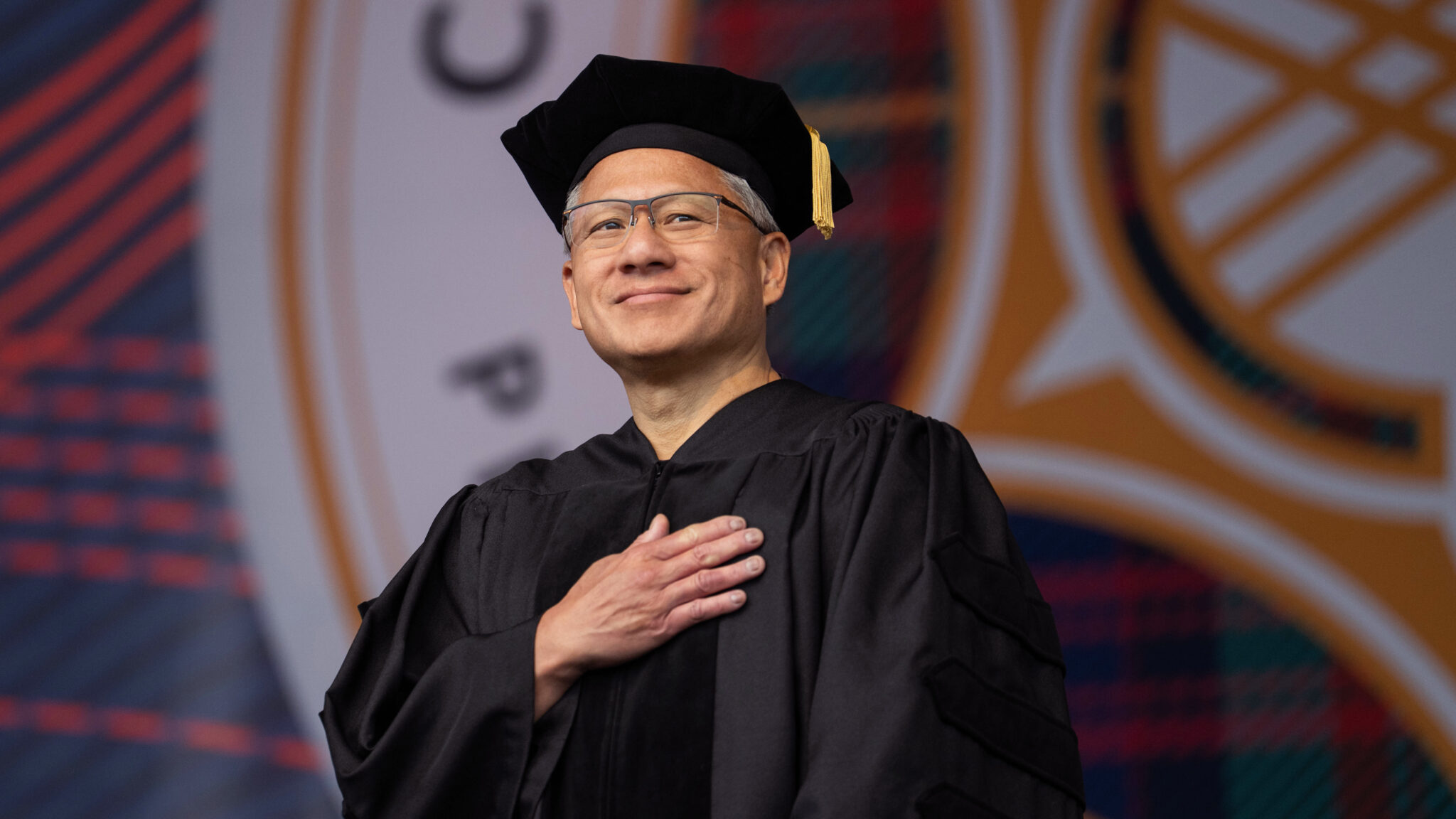
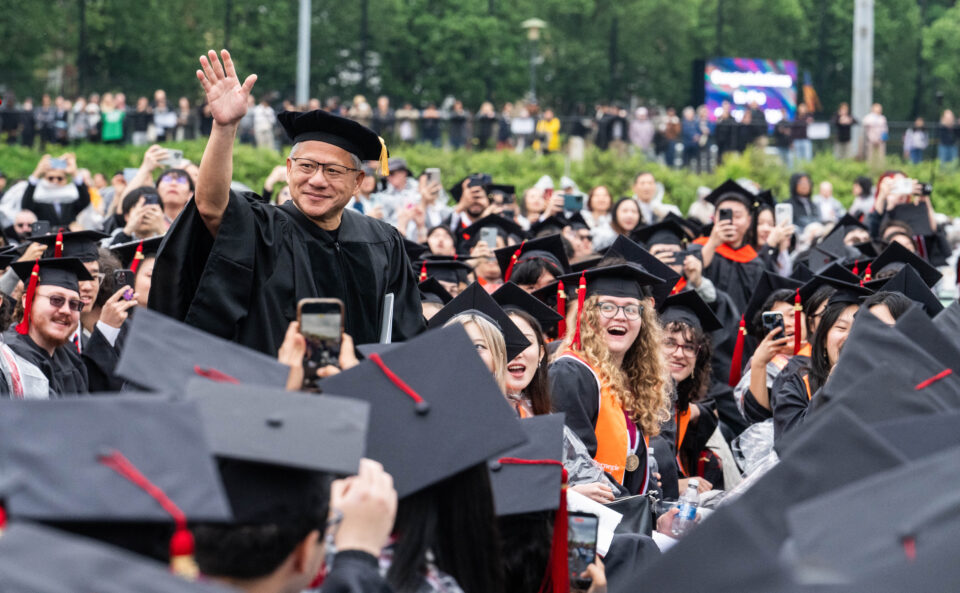
In a stirring commencement address at Carnegie Mellon University, NVIDIA founder and CEO Jensen Huang told graduates they are entering the world at an extraordinary moment—the dawn of the AI revolution. He drew parallels to his own start during the PC revolution, emphasizing that this new era is bigger than any before, with AI poised to transform every industry and reindustrialize America. Below, we explore five key questions from his speech, offering detailed insights for graduates stepping into this transformative time.
1. Why did Huang call this an “extraordinary moment” for graduates?
Huang described the current period as the beginning of a new industry—the AI revolution—comparable to the dawn of personal computers, the internet, and mobile computing. He noted that graduates possess more powerful tools and greater opportunities than any previous generation. The AI revolution is foundational, affecting every industry, from healthcare to manufacturing. Huang urged graduates to see themselves as standing at the starting line, ready to shape what comes next. This moment, he argued, is uniquely primed for them to realize their dreams because the power of computing and intelligence can now reach everyone, closing the technology divide. The timing, he stressed, could not be more perfect for new graduates to press their advantage.
2. How does Huang compare the AI revolution to the PC revolution?
Huang drew a direct parallel between starting his career at the onset of the PC revolution and graduates beginning theirs amid the AI revolution. Both eras represent major computing platform shifts—PCs, then the internet, mobile, and cloud—each leading to this shared moment. However, Huang emphasized that AI is larger than any previous shift because intelligence is foundational to every industry. While the PC revolution democratized computing, the AI revolution democratizes intelligence itself. Huang encouraged graduates to see this as a once-in-a-generation opportunity, akin to the early days of personal computing, but with even greater scale and impact. He framed it as a chance to not only build new technology but to reindustrialize the nation and restore America’s capacity to build.
3. Why does Huang claim AI is bigger than previous technological revolutions?
Huang explained that every prior computing platform shift—PCs, internet, mobile, cloud—was transformative, but AI surpasses them because intelligence is a fundamental enabler for all industries. AI is not just creating a new computing industry; it is creating a new industrial era. It drives the largest technology infrastructure buildout in human history. Huang noted that AI makes intelligence broadly accessible, reaffirming the imperative for AI to reach everyone, not just a select few. This broad reach means fields like construction, plumbing, ironworking, and every kind of building will be transformed. The scale of change is unprecedented, promising to affect every job and sector, which is why Huang called it “bigger than anything before.”
4. How does AI present a “once-in-a-generation opportunity” to reindustrialize America?
Huang described AI as driving the largest technology infrastructure buildout in history, offering a unique chance to reindustrialize America and restore its capacity to build. He tied this to the American dream of opportunity and reinvention, which underpins the AI revolution. AI’s impact extends beyond tech jobs to include electricians, plumbers, ironworkers, technicians, and all kinds of builders. By integrating AI into manufacturing, construction, and logistics, the nation can revitalize its industrial base. Huang emphasized that AI is not just about software; it’s about building physical infrastructure—factories, data centers, robots—that will create jobs and strengthen the economy. This moment, he argued, is a chance for graduates to lead in shaping a new industrial era that benefits everyone.
5. What advice does Huang give for dealing with the uncertainty of the AI revolution?
Huang acknowledged that every major technological revolution brings fear alongside opportunity, and AI is no different. He urged graduates to engage with technology openly, responsibly, and optimistically. By embracing AI with a positive mindset, society can expand human potential far more than it displaces jobs. Huang encouraged graduates to see themselves as builders and innovators, not passive participants. He reminded them that they have the most powerful tools ever created and the freedom to redefine careers. The key is to stay curious, adapt, and focus on using AI to solve real-world problems. Huang’s message was clear: uncertainty is part of the process, but this generation is uniquely equipped to turn challenges into opportunities.
6. What does Huang mean by “AI is making intelligence more broadly accessible”?
Huang argued that AI democratizes intelligence, making it available to everyone—not just a select few in tech. This accessibility is a defining feature of the revolution. For example, AI tools can help an electrician diagnose problems, a plumber optimize routes, or a teacher personalize lessons. By lowering the barrier to advanced analytics and automation, AI empowers workers across all industries. Huang tied this to the American dream, where opportunity is not limited by background. He stressed that the AI revolution should benefit every builder, from ironworkers to technicians. This broad accessibility ensures that no one is left behind, and it creates a more inclusive economy where skills are amplified by intelligent machines.