Unveiling Dreams on a Pillow: A Palestinian Developer's Poetic Response to the Nakba
Dreams on a Pillow is a pseudo-stealth game by Palestinian developer Rasheed Abueideh, set during the 1948 Nakba and tied to modern Gaza. First gameplay reveals poetic, non-combat stealth mechanics exploring displacement.
Dreams on a Pillow is a unique pseudo-stealth adventure game created by Palestinian developer Rasheed Abueideh. Set against the backdrop of the 1948 Nakba—the ethnic cleansing that displaced hundreds of thousands of Palestinians—the game serves as an emotional and artistic response to the ongoing violence in Gaza. Recently, a first look at its gameplay was released, offering a glimpse into its poignant storytelling and stealth mechanics. Below, we answer key questions about this deeply personal project.
What Is Dreams on a Pillow?
Dreams on a Pillow is a pseudo-stealth adventure game that blends environmental storytelling with subtle, non-combat stealth mechanics. Unlike traditional action games, it focuses on navigating through memories and landscapes of loss. The title refers to the fragile, dreamlike quality of recollecting a stolen home. Players assume the role of a displaced Palestinian experiencing fragments of life before and during the Nakba, using avoidance and observation rather than confrontation. The game is designed to evoke empathy and reflection, not entertainment in the conventional sense.
Who Created the Game, and Why?
The game is the work of Rasheed Abueideh, an independent Palestinian developer based in the occupied West Bank. He announced Dreams on a Pillow in late 2024 as his emotional response to the violent attacks on Gaza that began in October 2023. Abueideh sought to translate the experience of dispossession into interactive art, using the Nakba—the 1948 catastrophe—as a historical anchor. By linking past and present traumas, he aims to shed light on the enduring Palestinian struggle. The game is a personal project, funded through community support, with a second round of crowdfunding currently underway.
What Is the Historical Setting of the Game?
The game is set during the Nakba, the 1948 ethnic cleansing that saw the violent displacement of over 700,000 Palestinians from their homes and lands by Zionist militias and later the newly formed state of Israel. The term Nakba means "catastrophe" in Arabic. In Dreams on a Pillow, players explore pre-1948 Palestinian villages, witness the destruction, and navigate the aftermath. The setting is not just a backdrop but a central character—each environment is steeped in memory, loss, and the fragments of erased communities. Abueideh uses this historical moment to draw parallel with the 2023–2024 attacks on Gaza, emphasizing the cyclical nature of displacement.
What Did the First Gameplay Reveal Show?
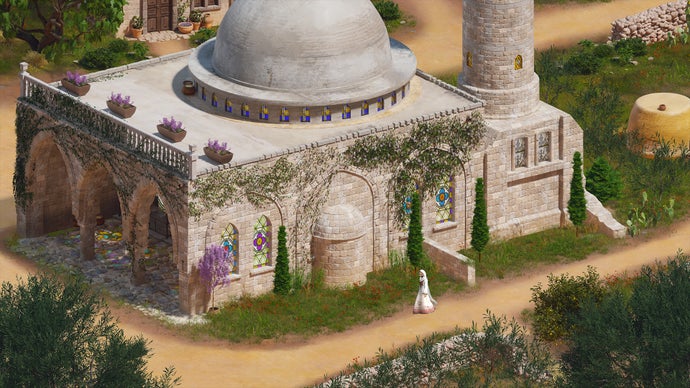
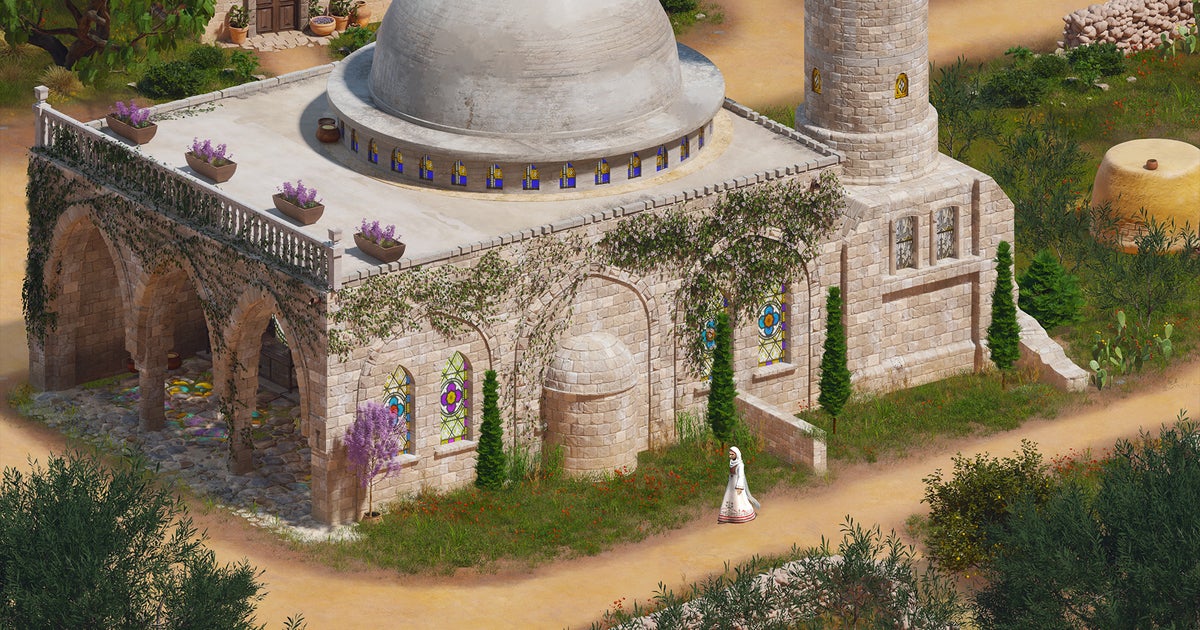
The first gameplay footage, released during the second round of funding, offers a glimpse into the game's mechanics and atmosphere. It features a character moving through a dimly lit, ruined home, avoiding Israeli soldiers by hiding behind furniture and in shadows. The pseudo-stealth elements require patience and observation; there are no weapons or combat. Instead, the player must use environmental cues—like creaking floorboards or shifting light—to evade capture. The visuals are hand-painted in a muted, watercolor style, emphasizing the poetic tone. Sound design plays a key role, with ambient noises of distant gunfire, crying, and whispers underscoring the tension. The reveal also showed a quiet, reflective scene of a mother packing belongings, highlighting personal loss amid chaos.
How Does the Game Connect the Nakba to Modern Gaza?
Abueideh explicitly designed Dreams on a Pillow as a bridge between the 1948 Nakba and the 2023–2024 attacks on Gaza. In interviews, he stated that the current violence echoes the horrors of the past, and the game is a way to make that connection visceral for players. The gameplay reveals scenes of fleeing villages that mirror contemporary images from Gaza. One sequence shows a child clutching a doll while running from bombed buildings. By avoiding direct combat, the player is forced to confront the helplessness of civilians. The title itself—"Dreams on a Pillow"—references the shattered dreams of those who lost everything, a recurring theme in Palestinian poetry and oral history. The game aims to foster historical empathy and challenge dominant narratives.
What Funding and Development Stages Is the Game In?
As of early 2025, Dreams on a Pillow is still in active development, having successfully completed a first round of crowdfunding. The second round is currently ongoing, with the gameplay reveal intended to attract additional backers. Abueideh is working with a small team of Palestinian and international artists and programmers, many contributing on a volunteer basis. The developer plans to release the game on PC and console platforms, though no specific date has been set. The budget remains modest, reflecting the project's independent, non-commercial nature. Supporters can contribute via a dedicated campaign page, with rewards including digital art, soundtrack downloads, and early access builds.
What Is the Significance of Calling It "Pseudo-Stealth"?
The term "pseudo-stealth" distinguishes Dreams on a Pillow from mainstream stealth games like Metal Gear Solid or Assassin's Creed. In those games, stealth is a tool for achieving combat goals—sneaking to assassinate or disable enemies. Here, stealth is the only option; the player never fights. The "pseudo" aspect acknowledges that the mechanics are simplified: there are no complex AI systems or elaborate gadgets. Instead, the game relies on context-sensitive hiding spots and timing to escape detection. This design choice reinforces the theme of powerlessness. The player cannot change history; they can only survive to witness it. Abueideh describes it as "survival through memory," where each stealth segment is a vignette of resistance through enduring.