10 Game-Changing Facts About Ukraine's Trident Laser: A $1.2M Drone-Killer That's Upending the Defense Industry
Ukraine's Trident laser weapon costs $1.2M, destroys drones at 3 miles, challenges Western defense giants with speed, low cost, and battle-tested capability.
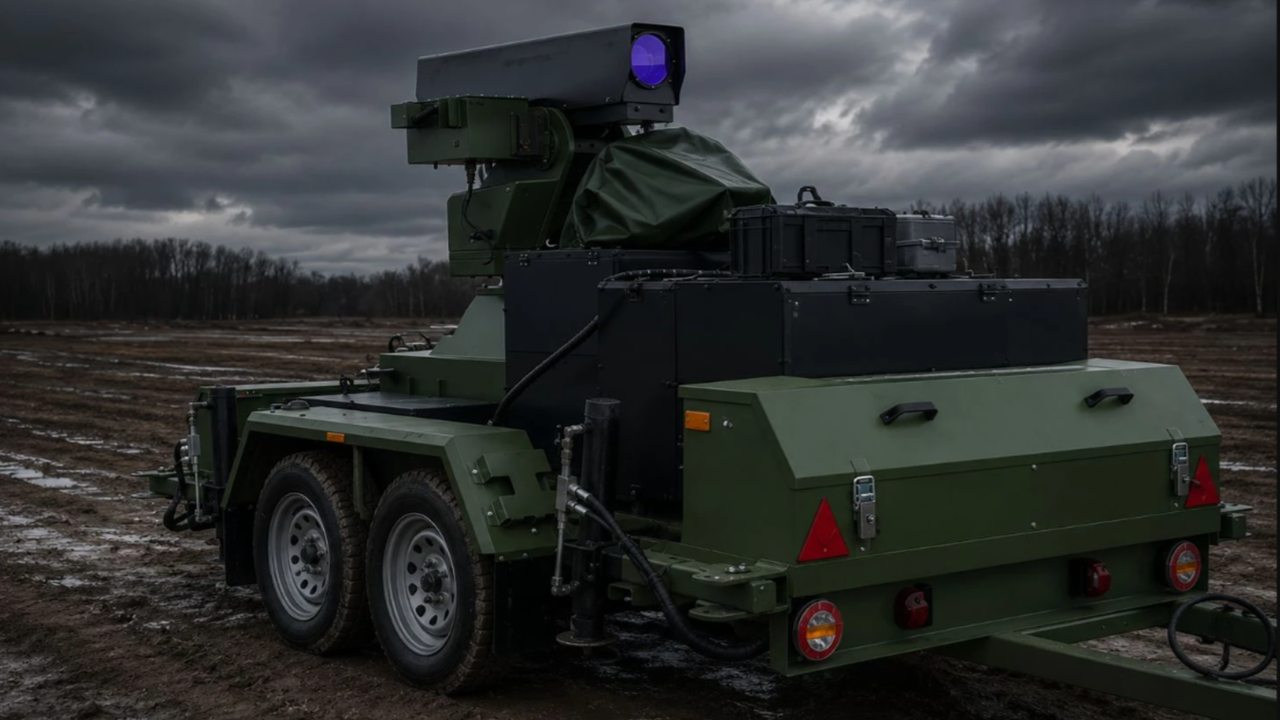
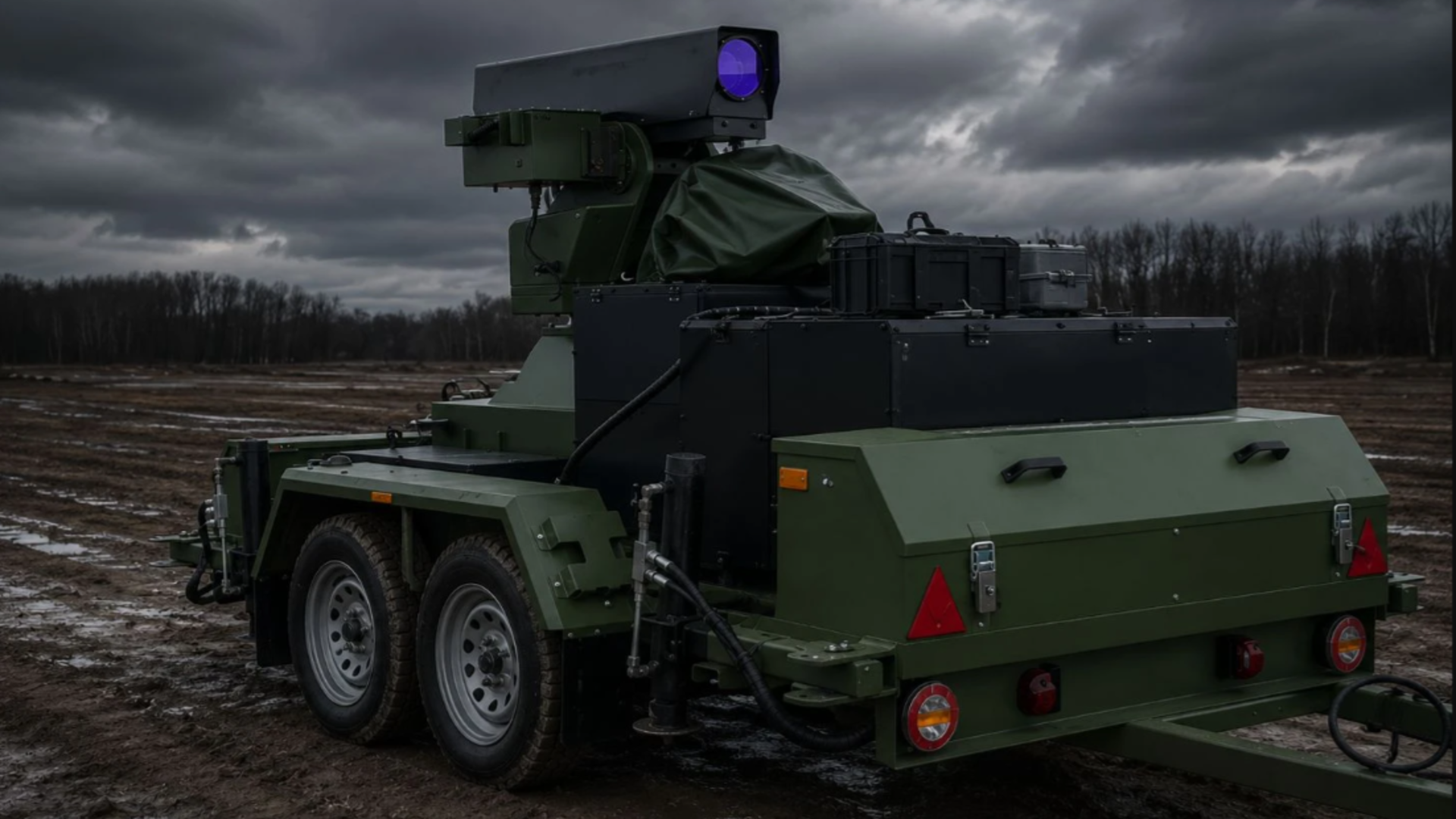
In the high-stakes theater of modern warfare, where drones roam the skies like deadly swarms and defense budgets balloon into the billions, a quiet revolution is brewing. Ukrainian startup Celebra Tech has unveiled the Trident laser weapon system—a compact, cost-effective marvel that can zap drones, helicopters, and surveillance gear from nearly 3 miles away. Priced at just a fraction of what Western giants charge, this laser is more than a weapon; it's a symbol of how innovation can challenge entrenched military-industrial power structures. Buckle up as we count down the ten most startling things you need to know about this game-changer.
1. The Trident's Surprising Range
The Trident laser isn't just a lab experiment—it's field-ready and can engage targets at distances up to 5 kilometers (about 3 miles). That's far enough to intercept incoming drones before they become a threat, shield forward operating bases, and even take out low-flying helicopters. What makes this range extraordinary is the beam precision: the laser stays focused over that distance, delivering lethal energy to a point smaller than a coin. For comparison, many existing laser systems struggle beyond 2-3 km due to atmospheric distortion, but Trident's adaptive optics counteract turbulence. This range puts it in a sweet spot—cost-effective yet tactically relevant for modern battlefields.
2. A Price Tag That Shocks the Industry
Western defense firms routinely charge tens of millions of dollars for a single laser defense system. The Trident? Celebra Tech claims a per-unit cost around $1.2 million—a fraction that sends shivers through competitors. Why so cheap? The team prioritized commercial off-the-shelf components and modular design, avoiding the expensive, proprietary hardware typical of NATO contractors. This price point means Ukraine can deploy multiple units across the front line, creating layered defenses without bankrupting the treasury. It also makes the Trident attractive for export to other nations with limited budgets, potentially disrupting the monopoly on directed-energy weapons.
3. It's a Dedicated Drone Killer—and More
While headlines scream "drone-killing laser," the Trident is versatile. It can disable surveillance cameras, blind enemy optics, and even take out larger aircraft like helicopters—provided they loiter within its engagement envelope. The laser uses a high-energy fiber-optic beam that can burn through composite materials, melt electronics, and ignite fuel tanks. A single shot costing pennies in electricity can neutralize a $50,000 reconnaissance drone or a multi-million dollar attack helicopter. This asymmetric cost ratio is a nightmare for adversaries who rely on cheap UAV swarms to overwhelm defenses.
4. Speed-of-Light Engagement
Unlike missiles or bullets, the Trident's beam travels at the speed of light—300,000 kilometers per second. That means no lead time, no ballistic arc to predict, and no delay between trigger pull and impact. For kinetic weapons, engaging a fast-moving drone at 3 miles requires complex calculations and split-second timing; lasers erase that challenge. The target is destroyed almost instantly, with zero warning, making countermeasures nearly impossible. This speed also allows the system to engage multiple threats in quick succession, as long as the power supply holds up.
5. Minimal Logistics Footprint
Think of the supply chain for traditional air defense: missile launchers, reload vehicles, spare parts, and specialized ammunition. The Trident slashes that to a generator, a cooling unit, and a control console. It doesn't require explosive warheads or complex guidance packages—only diesel fuel or grid electricity. On the battlefield, that means fewer convoys to transport ammo, reduced vulnerability to enemy attacks on supply lines, and quicker setup times. This logistical lightness is a huge advantage for Ukraine's mobile defense strategy, where units must relocate frequently under fire.
6. Battle-Tested in Real Combat
While details remain classified, Celebra Tech confirms the Trident has been tested against actual Russian drone swarms in eastern Ukraine. Early reports indicate a high kill percentage against small quadcopters and larger Orlan-10s. Although not yet deployed en masse, the system is proving its mettle in the harsh electronic warfare environment that degrades many Western systems. Each successful engagement provides crucial data to refine aiming algorithms and power management. This real-world validation is worth more than any lab simulation and positions Ukraine as a leading innovator in directed-energy warfare.
7. A Nightmare for the Military-Industrial Complex
The phrase "military-industrial complex" describes the cozy relationship between large defense contractors and government procurement. These giants rely on long development cycles, cost-plus contracts, and proprietary technology to maintain margins. The Trident—built by a small Ukrainian startup with limited resources—threatens that model. It offers comparable performance at a price that undercuts Lockheed Martin's or Raytheon's systems by an order of magnitude. If adopted widely, it could force a shift toward cheaper, more agile solutions, much like how drones disrupted tank warfare.
8. Soft-Kill Capabilities Are Built In
Not every engagement requires vaporizing the target. The Trident can operate in a "soft kill" mode that dazzles or blinds optical sensors without destroying the platform. This is ideal for disabling surveillance drones temporarily or forcing pilots to break off an attack. The laser's wavelength is tuned to saturate camera sensors and thermal imagers, making the enemy effectively blind. This non-lethal option reduces collateral damage and allows for more graduated responses—a key requirement for modern rules of engagement.
9. Countermeasures Are Tricky
Adversaries might try to counter the Trident with smoke screens, reflective coatings, or ultra-fast maneuvers. But the laser's adaptive tracking system can re-aim within milliseconds, and its beam can burn through most smoke or haze within seconds. Reflective coatings are expensive and degrade after a few hits. As for dodging—good luck outrunning a photon. The real weakness is power supply: sustained operation drains batteries and requires heavy generators. However, for the short engagement windows typical on the battlefield, this is rarely a limiting factor.
10. What's Next? Scaling Up for Mass Production
Celebra Tech is already working on a second-generation Trident with higher power, longer range, and fully automated target identification. They plan to partner with Ukrainian state defense conglomerates to ramp up production capacity from prototypes to hundreds of units per year. If successful, the Trident could become the AK-47 of laser weapons—simple, cheap, and widely available. The implications for air defense, not just in Ukraine but globally, are profound. This is a glimpse of a future where the cost of shooting down a drone is less than the cost of the drone itself.
The Trident laser weapon is still a battlefield newcomer, but its potential is staggering. By combining extreme cost-efficiency with proven combat capability, Celebra Tech is challenging the old guard and offering a tantalizing vision of democratized defense. Whether it becomes a footnote or a turning point depends on how fast it can reach the front lines. One thing is certain: the days of near-monopoly for big defense contractors are numbered.