10 Pivotal Facts About Vauxhall’s Affordable Leapmotor-Powered Electric SUV
Vauxhall announces a low-cost electric SUV in two years using Leapmotor tech. 10 key facts: timeline, price, platform, competition, and market impact.
Vauxhall has announced an ambitious plan to launch an all-new, low-cost electric SUV within just two years—and it’s leaning heavily on technology from Chinese EV startup Leapmotor. This move signals a major shift in the brand’s electrification strategy and promises to shake up the budget EV segment. Below are the ten essential things you need to know about this upcoming model.
1. The Core Announcement: A New Electric SUV for the Masses
Vauxhall confirmed it will bring a fully electric SUV to market by early 2027, leveraging Leapmotor’s platforms and engineering expertise. The vehicle is designed to compete in the fiercely contested small-to-mid-size SUV segment, targeting price-conscious buyers who want zero-emission motoring without breaking the bank. By partnering with Leapmotor, Vauxhall aims to dramatically reduce development costs and time-to-market, accelerating its transition to an all-electric lineup.
2. Breakneck Development Timeline
From announcement to showroom in just 24 months—that’s the aggressive schedule Vauxhall has set. This compressed timeline is possible only because Leapmotor already has mature EV platforms and manufacturing processes that can be adapted quickly. The rapid development is a response to growing demand for affordable EVs and intensifying competition from Chinese and European rivals. Vauxhall expects to start pre-production testing within 18 months.
3. Leapmotor’s Critical Role: Tech Provider, Not Just Partner
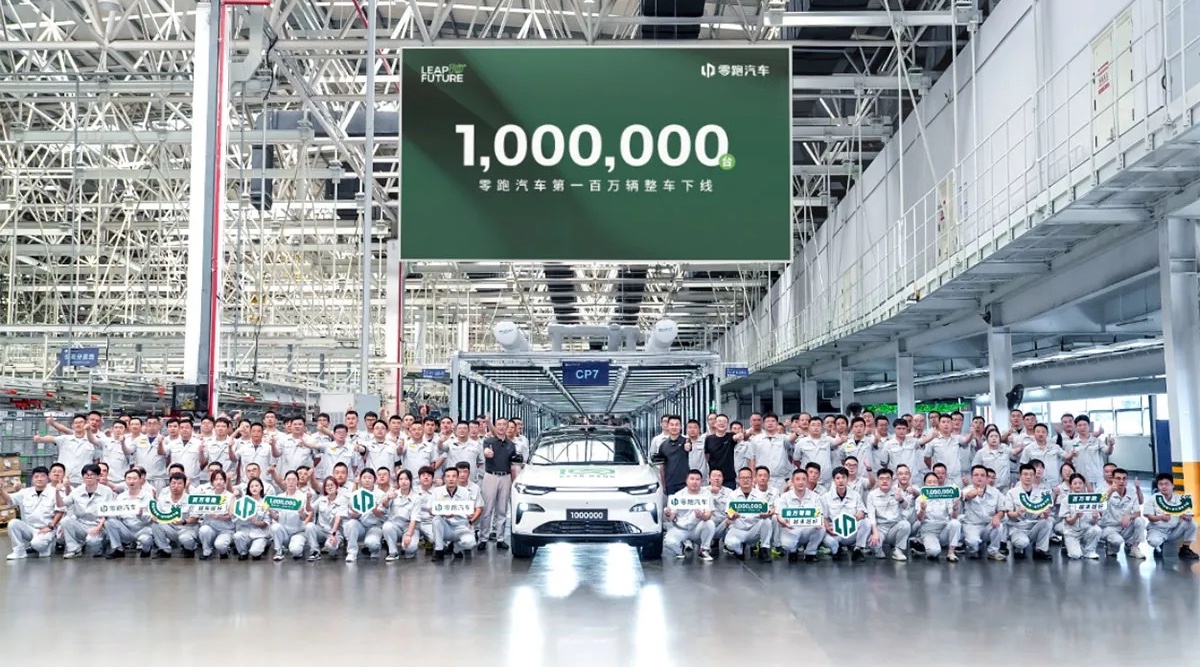
Leapmotor isn’t merely a joint-venture collaborator; it’s providing the fundamental technology backbone for the SUV. This includes its proprietary cell-to-chassis battery pack, integrated electric drive unit, and software-defined vehicle architecture. For Leapmotor, the deal opens a gateway into the European market without building its own sales network. For Vauxhall, it circumvents years of in-house R&D, borrowing proven Chinese EV know-how.
4. Price Point: The Key to Mass Adoption
The primary goal is affordability—Vauxhall targets a starting price well under £30,000, potentially around £23,000-£25,000. That would undercut many current European EVs and make it accessible to first-time electric car buyers. To achieve this, Vauxhall and Leapmotor are focusing on cost engineering: using common components, simplifying manufacturing, and optimizing supply chains. The low price could also make the SUV eligible for various government incentives across Europe.
5. Shared Platform: A Foundation for Efficiency
The new SUV will ride on Leapmotor’s “LEAP” platform, which is designed for maximum energy density and modularity. This platform supports multiple battery sizes (from 40 kWh to 70 kWh) and motor configurations, allowing Vauxhall to offer different range options. Expected WLTP range is 200-300 miles, depending on the variant. The platform also features a low floor for spacious cabin packaging—critical for the SUV body style.
6. Manufacturing Location: European Production
Although the technology comes from China, Vauxhall intends to assemble the SUV at one of its European plants—most likely Ellesmere Port in the UK or Rüsselsheim in Germany. This avoids potential EU tariffs on Chinese-built EVs and satisfies ‘local for local’ production trends. It also means the vehicle will qualify as a domestically produced EV for UK and EU markets, a key selling point for buyers wanting to support local industry.
7. Design and Features: Blend of European and Chinese DNA
Styling will be handled by Vauxhall’s design team, ensuring the SUV carries the brand’s distinctive Vizor front grille and sharp lines. Inside, expect a minimalist digital cockpit with a large central touchscreen, over-the-air update capability, and advanced driver-assistance systems sourced from Leapmotor’s software stack. The interior will emphasize practicality and space, with fold-flat rear seats and generous cargo volume—class-leading for its segment.
8. Competition: Taking on the Budget EV Giants
The main rivals include the Dacia Spring, Citroën ë-C3, and upcoming models from BYD and MG. Vauxhall’s SUV aims to stand out with better performance, more generous standard equipment, and a trusted European brand reputation. However, the segment is heating up: Ford is readying a low-cost EV based on VW’s MEB platform, and Tesla’s rumoured £25,000 model could appear around the same time. Vauxhall’s partnership with Leapmotor gives it a significant time advantage.
9. Part of Vauxhall’s Broader EV Strategy
This SUV is a cornerstone of Vauxhall’s plan to sell only electric cars by 2028. Currently, the brand offers the Corsa Electric, Mokka Electric, and Vivaro Electric, but they sit in higher price brackets. The new model fills the crucial entry-level gap, allowing Vauxhall to compete in the volume small-SUV sector. It also supports Stellantis’s €30 billion EV investment plan and helps the group meet tightening CO2 fleet emissions targets.
10. What This Means for the Future of Affordable EVs
If Vauxhall delivers on its promise, the cost of electric mobility could drop significantly across Europe. The Leapmotor partnership serves as a blueprint for other legacy automakers: instead of building EV tech from scratch, they can license mature platforms from Chinese innovators. This could accelerate the transition to electric transport, put pressure on competitors to lower prices, and ultimately bring zero-emission SUVs to millions of households. The Vauxhall-Leapmotor SUV is more than just a new model; it’s a potential market disruptor.
Conclusion: A Game-Changing Move in the Making
Vauxhall’s plan to launch a low-cost electric SUV using Leapmotor’s technology is a bold bet on collaboration over invention. With a tight timeline, aggressive pricing, and a proven platform, the brand is positioning itself to win the next wave of EV buyers. The success of this venture could reshape how European automakers approach affordable electrification and set new benchmarks for price, range, and production efficiency. Keep an eye on this space—the electric SUV market is about to get a lot more interesting.