Unveiling the Cambrian Explosion: How a Fossil Bonanza Reshapes Our Understanding of Early Life
Cambrian fossils from 540 million years ago reveal strange worms, blind predators, early mollusks, and sponges, reshaping understanding of the evolutionary explosion.
The Cambrian and Its Mysteries
Approximately 540 million years ago, as the Cambrian Period dawned, Earth’s oceans dominated the planet. This era, known for a rapid burst of evolutionary innovation called the Cambrian explosion, produced a bizarre menagerie of creatures that seem both alien and eerily familiar. Marine sediments from this time have yielded an extraordinary fossil find—a treasure trove that is fundamentally altering how scientists view the origins of complex life. This discovery, detailed in recent research, provides an unprecedented window into a world teeming with soft-bodied organisms that rarely fossilize, filling critical gaps in the evolutionary record.
A World of Strangeness
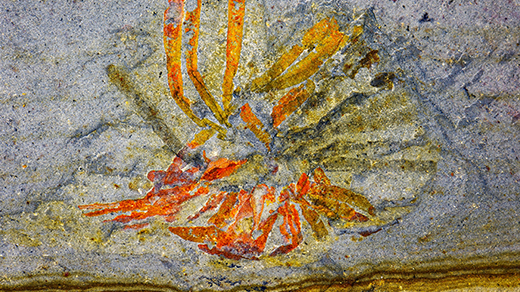
Among the most notable fossils are small, phallic-shaped worms that burrowed through seafloor mud, likely scavenging for organic particles. These organisms, while modest in appearance, represent an early experiment in body plans that would later diversify into modern priapulid worms. Alongside them roamed blind swimming predators that deployed whip-like tentacles to snare unsuspecting prey—a feeding strategy that echoes today in some cnidarians. The fossil assemblage also includes primitive ancestors of mollusks and sponges, which carpeted the seabed, while early jellyfish pulsated through the water column above.
What makes this collection so valuable is its preservation of soft tissues, often lost in typical fossilization. This allows researchers to reconstruct the anatomy and behavior of these ancient life forms with remarkable clarity. For example, the tentacular appendages of the swimming beasts show fine details of sensory structures, hinting at how they navigated their dimly lit environment.
Rewriting the Evolutionary Timeline
Previously, many experts believed that complex animal life emerged only gradually after the Cambrian explosion. However, the age and diversity of this fossil cache push back the origins of key traits—such as bilateral symmetry, digestive systems, and nervous system organization—by millions of years. The presence of early mollusks challenges the idea that these animals evolved later, while the worm-like creatures demonstrate that burrowing behavior was already sophisticated. This forces a revision of evolutionary trees, placing the dawn of many animal phyla earlier than textbooks have stated.
Moreover, the fossils show a high degree of ecological complexity: predators, scavengers, filter-feeders, and prey all coexisted in a finely balanced ecosystem. This suggests that the Cambrian “explosion” was not a sudden singularity but a phase of accelerated change built on earlier, less visible diversifications.
Modern Discoveries and Techniques
The fossil site, likely in a region rich in Cambrian deposits (comparable to famous Lagerstätten like the Burgess Shale or Chengjiang), was uncovered using advanced geological surveying and micro-CT scanning. These techniques allow paleontologists to visualize internal structures without damaging the specimens. The treasure trove includes hundreds of individuals from dozens of species, many previously unknown. By analyzing the chemical composition of the surrounding rock, scientists have determined the exact depositional environment—a shallow, oxygen-poor basin that inhibited scavengers and decay, leading to exceptional preservation.
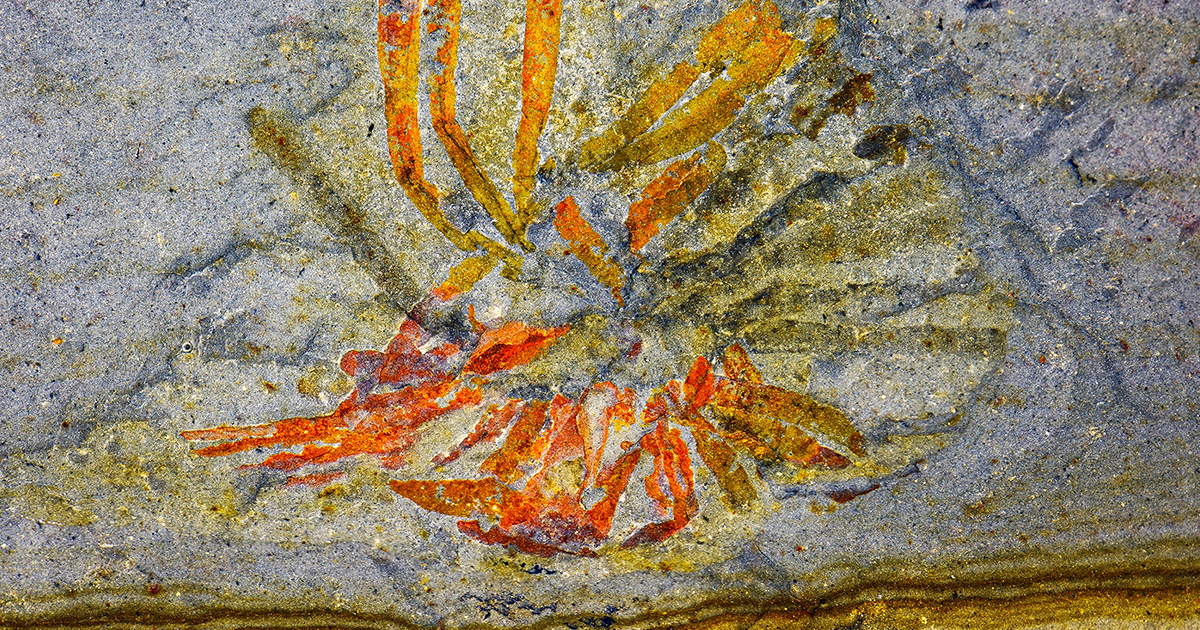
Such methods are revolutionizing the field. Instead of relying solely on hard shells or bones, researchers can now study the soft anatomy of early animals, from muscle fibers to gut contents. This has revealed, for instance, that some of the blind swimmers had complex neural structures, implying advanced sensory processing despite the absence of eyes.
Implications for Life’s History
This fossil bonanza does more than just fill a page in the geological record—it compels us to rethink the narrative of early life. The Cambrian Period has long been viewed as the “big bang” of animal evolution, but this discovery suggests that many innovations were already in place at its very start. It also underscores the importance of taphonomic windows—rare geological conditions that preserve soft tissue. Without such sites, our understanding of biodiversity would be severely skewed toward heavily calcified organisms.
Looking ahead, these fossils provide a baseline for studying how ecosystems responded to environmental shifts in the deep past. They also offer clues about why the Cambrian explosion occurred: perhaps due to rising oxygen levels, the evolution of predation, or changes in ocean chemistry. Each new specimen adds a piece to the puzzle, helping to answer one of biology’s most profound questions: where did we come from?
In summary, the newly unearthed Cambrian fossils are a scientific goldmine. They bring to life a world of alien worms, blind hunters, and early mollusks, all thriving in an ancient sea. By rewriting the timeline of early evolution, they remind us that the story of life is still being written, one buried treasure at a time.